Fashion Face-Off: How Men’s and Women’s Trends Differ & Overlap
Fashion has long been a reflection of culture, individuality, and innovation. While men’s and women’s fashion have distinct characteristics, they often overlap, creating exciting trends that blur traditional boundaries. Let’s explore the key differences and similarities in today’s fashion landscape.
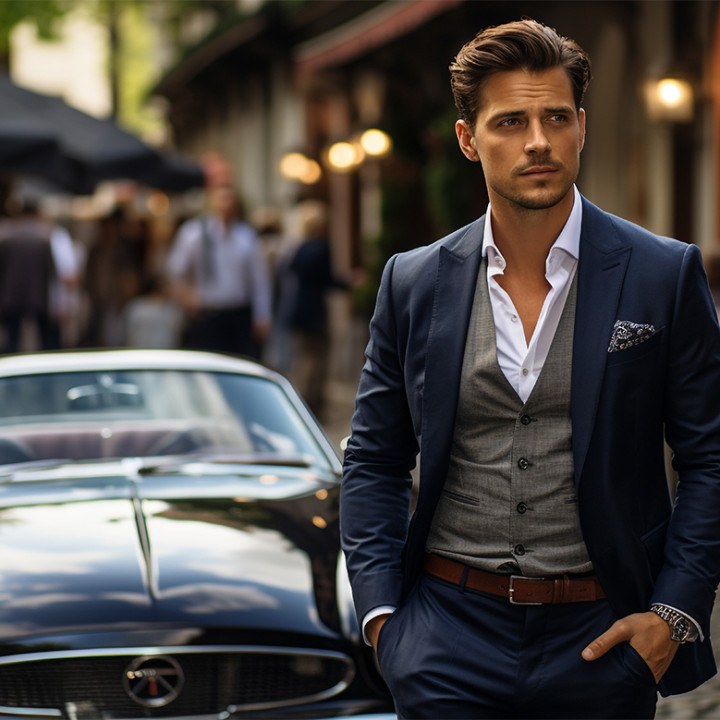
Distinctive trends in men's fashion tend to focus on classic silhouettes, neutral tones, and functionality. Timeless staples like tailored suits, structured blazers, and denim jeans dominate men’s wardrobes. Minimalism and practicality play a crucial role, with an emphasis on high-quality fabrics and simple designs. Streetwear has also become a major influence, incorporating oversized fits, sneakers, and athleisure into everyday looks.
Defining women’s fashion trends women’s fashion is often more experimental, embracing vibrant colors, intricate patterns, and a wide range of fabrics. Trends evolve rapidly, from flowing dresses to structured power suits, reflecting changing societal influences. Women’s styles frequently incorporate embellishments like lace, ruffles, and sequins, allowing for a greater range of expression. The rise of gender-fluid fashion has also contributed to bold and unconventional choices.
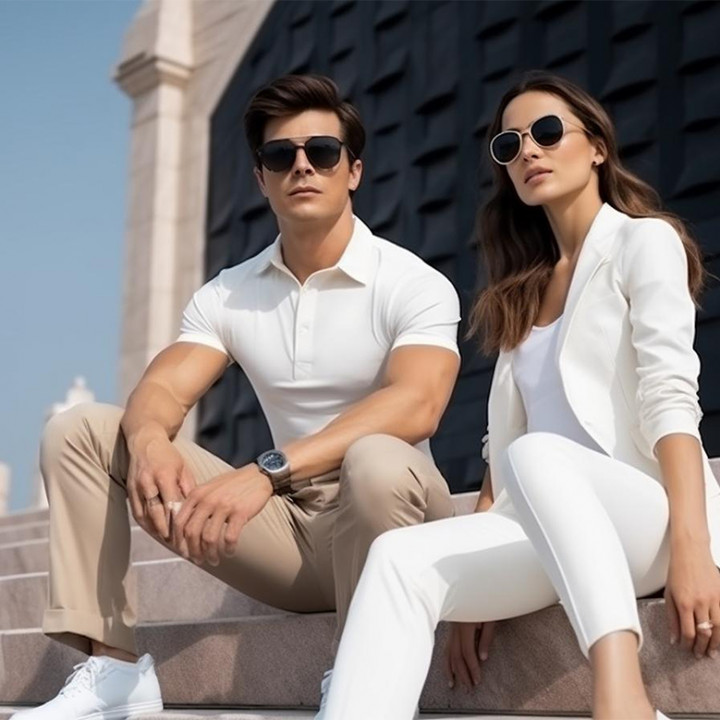
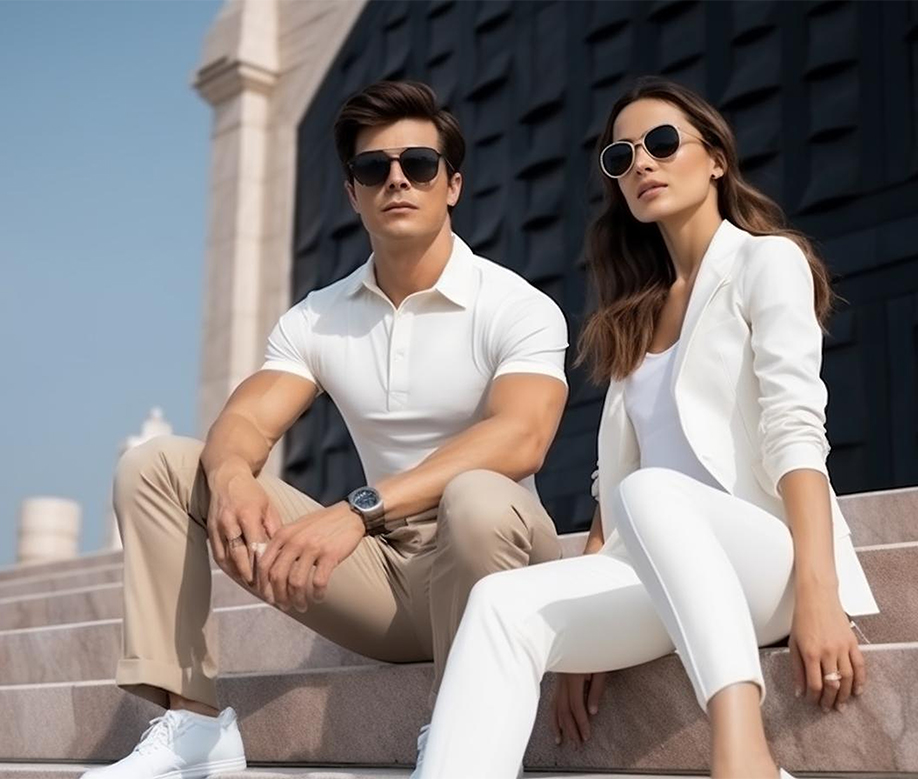
Where they overlap despite the differences, men’s and women’s fashion often converge. Androgynous fashion is on the rise, with women adopting oversized blazers, baggy jeans, and sneakers, while men are embracing softer silhouettes, and pastels. Unisex streetwear brands and gender-neutral collections have paved the way for greater inclusivity in fashion, blurring the lines between traditional menswear and womenswear.
Influence of cultural shifts, the impact of social movements and changing gender norms has led to a fashion revolution where boundaries are being redefined. Designers are increasingly offering versatile pieces that cater to all genders. The acceptance of skirts and jewelry in men’s fashion, as well as tailored suits in women’s wear, showcases the breaking of stereotypes.
Conclusion: The future of fashion fashion is no longer strictly categorized by gender; instead, it is evolving into a realm of self-expression and individuality. As trends continue to blend, personal style takes precedence over rigid fashion rules. Whether embracing classic menswear staples or experimenting with vibrant women’s styles, today’s fashion is all about authenticity and confidence.